
Umm Taha
The Importance of Education for a Muslim Woman
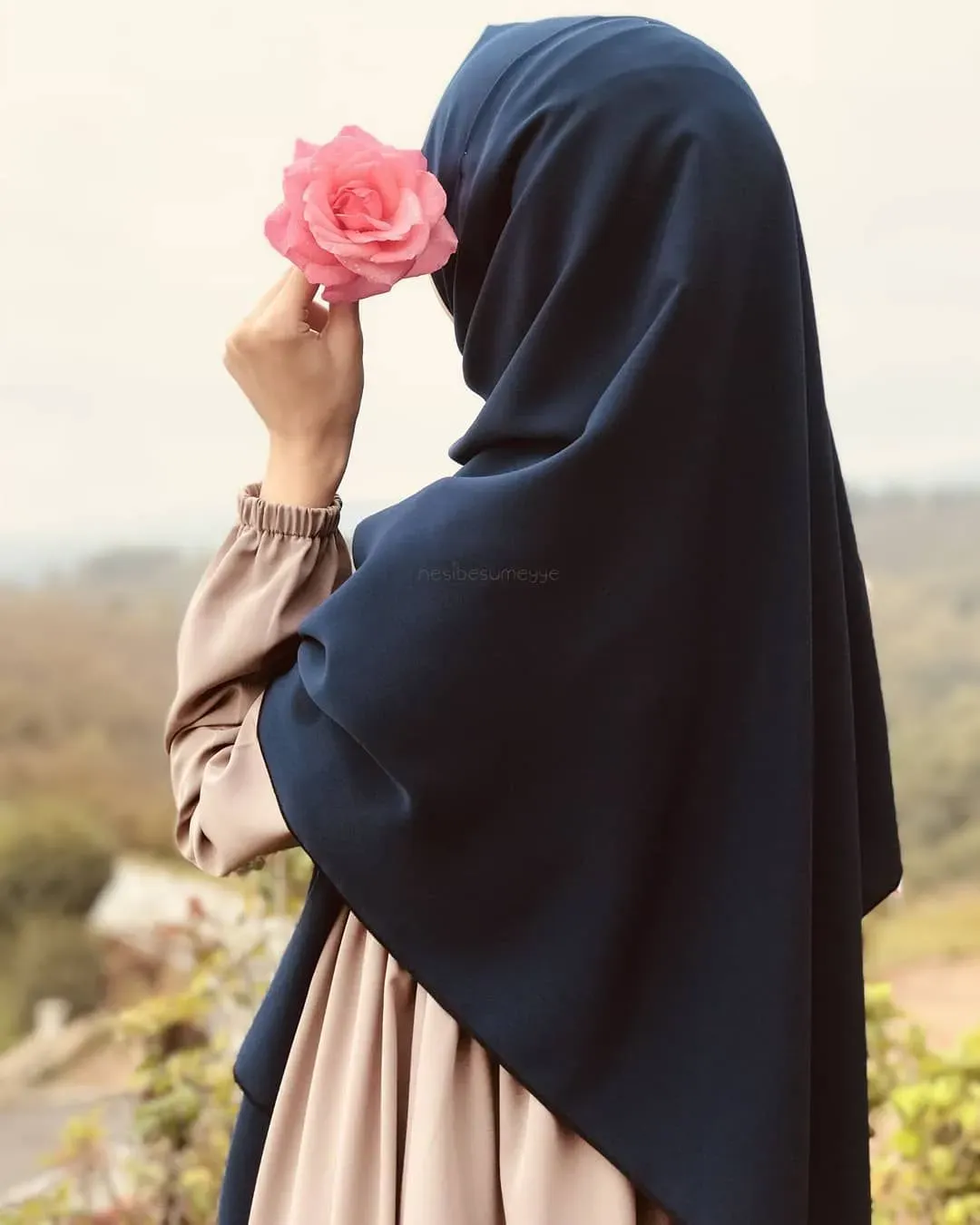
There is a famous saying in the Arabic tradition:
“Kings rule over people, but scholars rule over kings.”
This saying has lived through centuries — reminding us that true power and influence come not from wealth or position, but from knowledge.
In Islam and in our culture, education has always been seen as a light that guides a person through life. It is not a luxury, nor is it something reserved only for men. One of the first words revealed to the Prophet Muhammad ﷺ was “Iqra” — Read.
It was repeated several times, not simply to teach literacy, but to emphasize that seeking knowledge is the foundation of understanding life, faith, and purpose.
Islam never limited education to one gender. In fact, throughout history, Muslim women played significant roles as teachers, scholars, poets, and scientists. From Aisha bint Abu Bakr (may Allah be pleased with her), one of the most knowledgeable companions of the Prophet ﷺ, to Fatima al-Fihri, who founded the world’s first university in Fez, Morocco — women have always contributed to the intellectual and spiritual growth of the Ummah.
However, as time passed, in many cultures and societies, women’s education began to lose its priority. Some people came to believe that if a woman’s role was to stay home, take care of the children, cook, and clean, then education was unnecessary for her. But this belief could not be further from the truth.
A mother is a child’s first teacher. Children spend most of their early years with their mothers — observing, absorbing, and imitating everything they see. If a mother is well-educated, curious, and constantly learning, she naturally raises children who value learning and growth.
If a mother lacks education, her children are likely to face the same limitations, not because of lack of love, but because of lack of exposure to knowledge and intellectual curiosity.
To raise good-mannered, intelligent, emotionally balanced, and spiritually grounded children, the mother herself needs to be connected to learning. Her words, actions, and even her daily habits silently teach her children more than any book or school can.
Today, we often tell our children to “read more,” “study hard,” or “pay attention.” But the truth is, children don’t learn by listening — they learn by watching.
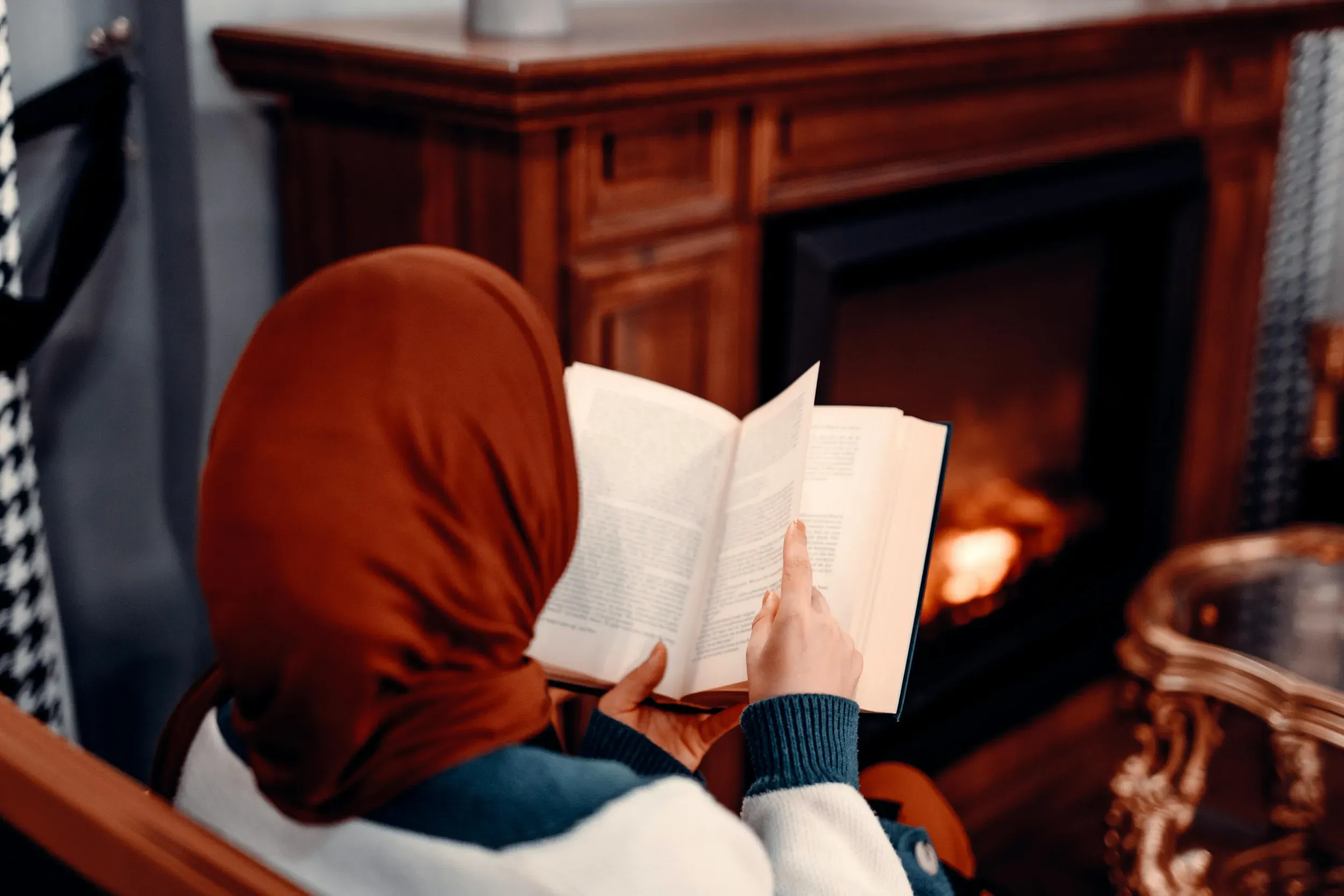
If your child sees you reading a book, attending a course, or taking notes from an online lecture, they learn patience, discipline, and respect for knowledge. They learn that education doesn’t end with school — it’s a lifelong journey.
We live in a time when people speak loudly about success but act very little. Our children need fewer speeches and more examples. If you want your children to love reading — let them see you reading. If you want them to be kind — be kind. If you want them to value learning — show them that you are always learning something new.
Education is not only about degrees or professional success. It’s also about personal growth, confidence, and mental well-being.
When a woman learns — whether it’s through formal study, online courses, reading, or developing new skills — she strengthens her sense of identity. She begins to understand her own abilities, expands her worldview, and gains confidence in making decisions.
A woman who educates herself can better manage her household, her finances, her health, and even her emotions. She becomes more patient and wise in dealing with challenges because she has knowledge to guide her.
When you invest in your education, you are investing in yourself — and in every life you touch.
Education comes in many forms. Not every woman needs to become a professor or hold a PhD. What matters is continuous learning — the desire to grow.
For some women, this might mean pursuing a university degree or professional career. For others, it might be learning a new language, studying Islamic sciences, developing digital skills, or even starting a small business.
It could be as simple as reading a new book every month, taking an online class, or joining a workshop that teaches something creative — from handcrafting and cooking to time management.
Every new skill enriches your mind and adds meaning to your life.
For many women, especially homemakers, daily routines can become repetitive and emotionally draining. Having personal goals and educational pursuits brings purpose and renewal to the heart.
When you learn, you feel alive. You wake up with a reason to explore something new. You feel inspired — and that inspiration reflects in how you raise your children and how you interact with your husband and family.
An educated and emotionally balanced woman brings peace and tranquility (sakinah) into her home. Her knowledge doesn’t take her away from her family — it strengthens her ability to care for them with understanding, organization, and wisdom.
The Prophet ﷺ said:
“Seeking knowledge is an obligation upon every Muslim.” (Ibn Majah)
This hadith does not differentiate between men and women. Every one of us is required to learn — not only religious knowledge, but also knowledge that helps us live with dignity, contribute to society, and serve others.
In today’s world, access to education has never been easier. A woman can learn almost anything from the comfort of her home — through online platforms, mobile apps, and digital communities.
There are countless free and affordable courses on topics like business, child psychology, self-development, communication, and Islamic studies.
Even reading articles, joining educational Telegram groups, or following beneficial YouTube channels can count as learning — as long as it’s consistent and intentional.
When women are educated, communities thrive. Educated mothers raise confident, balanced children. Educated wives become supportive and wise companions. Educated daughters become role models for the next generation.
A society that values educated women is a society that moves forward — in morality, in compassion, and in progress.
Studies have shown that when women are educated, families experience better health, higher income, and more emotional stability. Education reduces poverty and strengthens faith, because an educated person understands the purpose behind their actions and choices.
No matter where you are in life — whether you are a student, a wife, a mother, or even a grandmother — it is never too late to learn something new.
Education is not about age; it is about curiosity and intention. Start small — read a few pages every day, take a short course online, learn a new skill, memorize Qur’an with understanding, or explore a topic that has always interested you.
Your effort counts, and your children are watching.
You are the heart of your family, the foundation of the next generation, and the light that guides your home.
So, invest in yourself.
Because when a woman learns, a family grows, a generation rises, and the whole Ummah shines brighter.
Umm Taha.
P.S. Check my other articles )))) Have you heard of our muslim women's club?